We owe César Manrique a huge amount. I’m a big fan of his work, and I believe Lanzarote wouldn’t be what it is today without him. That’s why, whenever a guest asks me what to see on the island, Jameos del Agua, Mirador del Río or his house in Taro de Tahíche always come up.
But there are many more people creating on the island, and a lot of them are unknown even to those of us who live here. I always try to recommend small projects and people who work slowly, from their own studios, inspired by the same landscape that inspired Manrique. This is my list of Lanzarote artists worth following, listening to and, if you’re here for a few days, why not, visiting.
Eguzkine Cerámica · Teseguite
Instagram: @eguzkine__
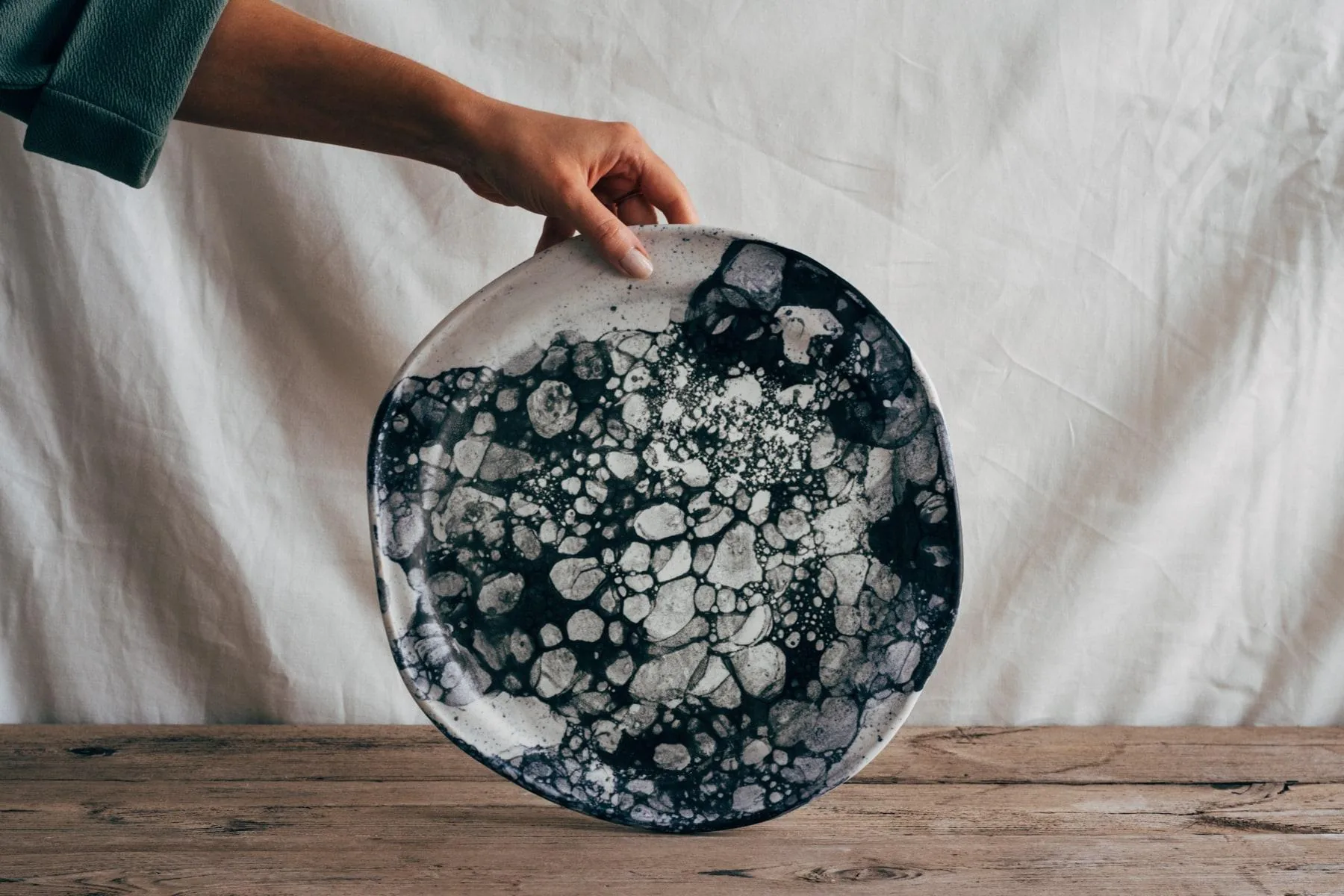
Eguz is a friend, originally from Vitoria in the Basque Country, and has lived on the island for most of her life. She works with Limoges porcelain and clay, and uses earth from the Los Valles mountain for some finishes, so every piece carries a little bit of Lanzarote. She has created a very recognisable style: handmade, deliberately irregular pieces you’ll now find in many homes and restaurants across the island. Many of the pieces you’ll see at the Garage are hers. Her studio is in Teseguite, about 20 minutes’ drive from La Santa, and visits are by appointment only, so message her before you go.
Aquilino · Haría
Instagram: @aquilino63
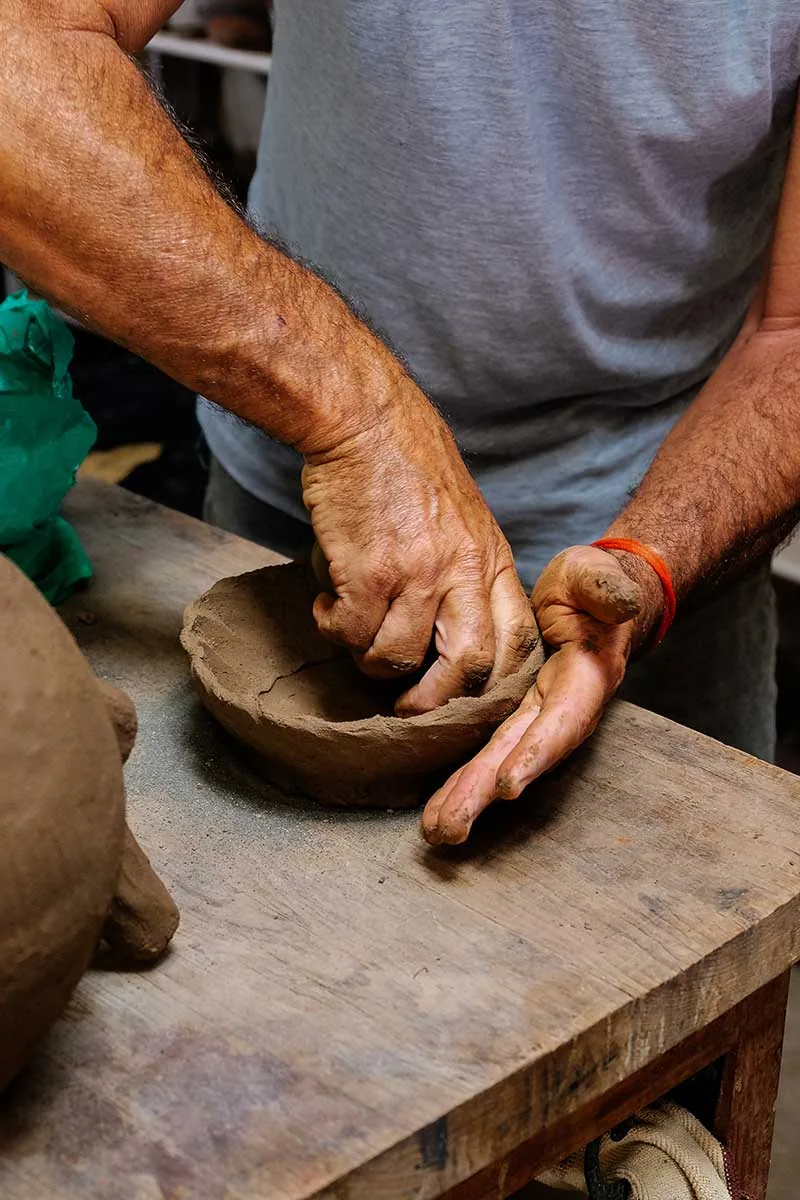
Aquilino is one of the few potters left in Lanzarote who still work with the island’s traditional clay. He makes his own mix with earth from the Famara cliffs and volcanic sand, kneads it by hand and foot, and builds each piece without a wheel, coil by coil, the way it has been done here for centuries. Watching him work is the best way to understand where Lanzarote pottery comes from. His studio is up in the mountains of Haría, about 30 minutes’ drive from La Santa, and you need to arrange your visit with him beforehand.
Eulogio · Haría
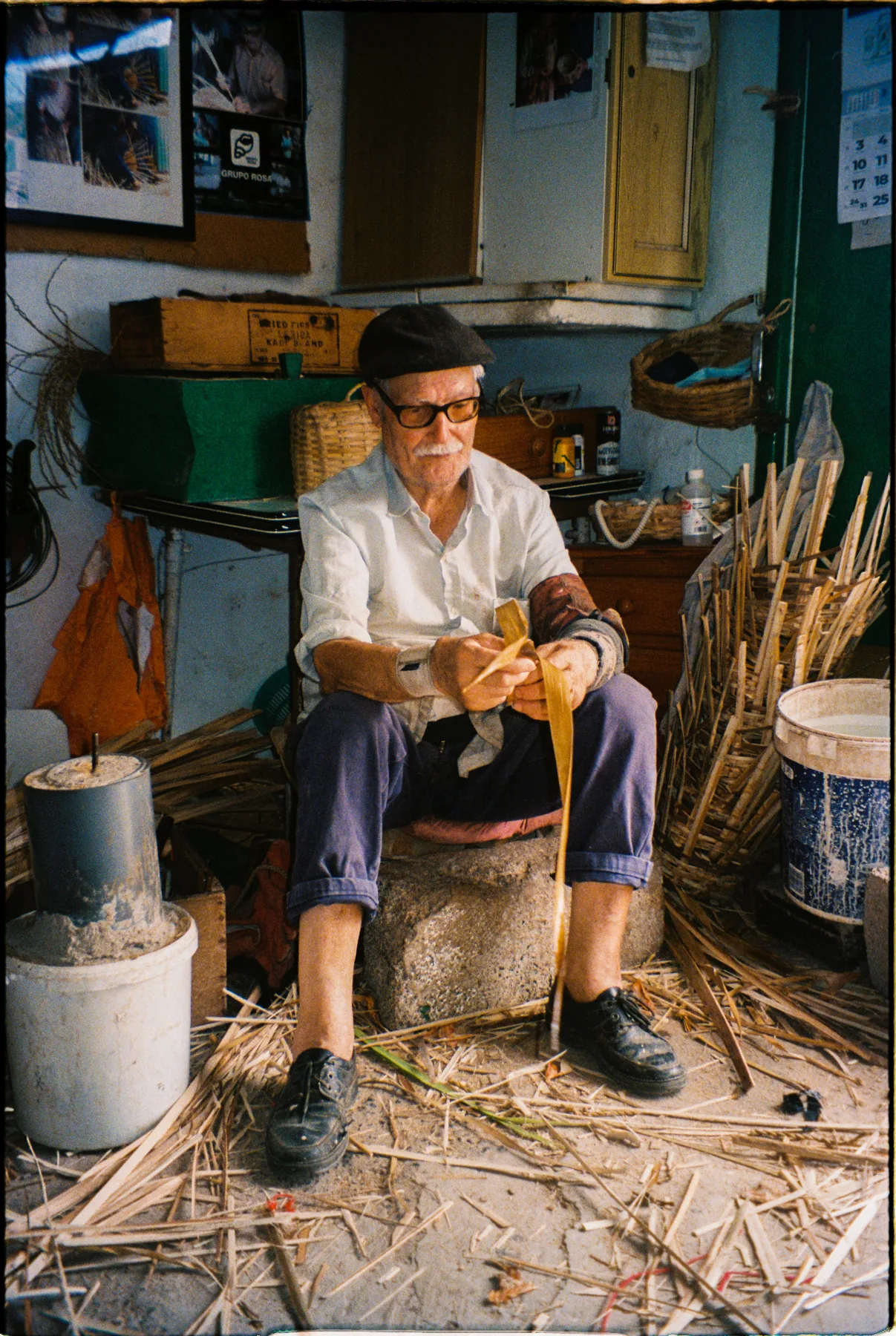
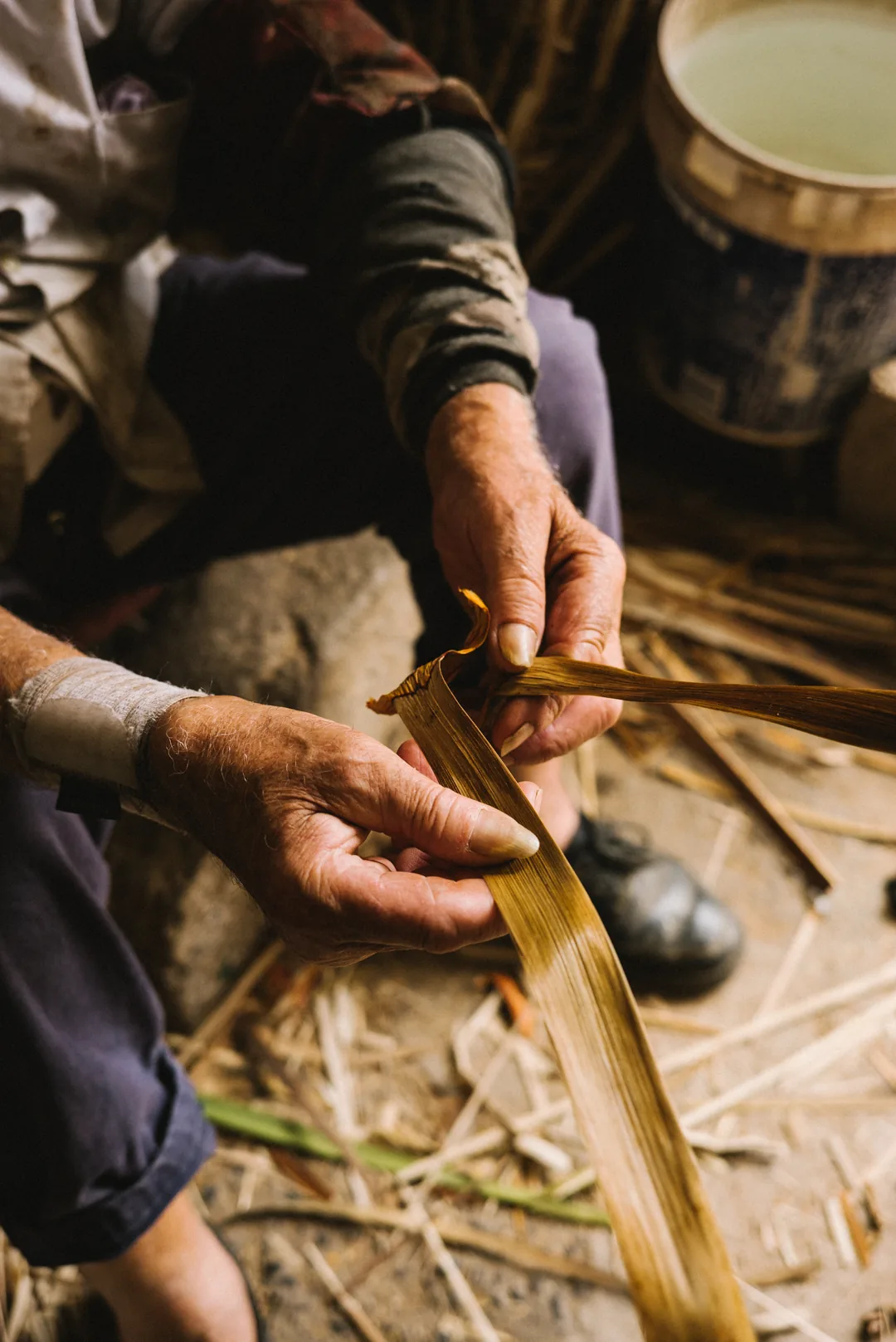
Eulogio Concepción is the island’s last traditional basket maker. He has spent his life weaving baskets from pírgano, the stem of the palm leaf, a craft that has all but disappeared in Lanzarote. His workshop is right next to César Manrique’s House-Museum in Haría, and if you’re lucky you’ll find him working. Go slowly and respectfully: Eulogio is a master with many years behind him.
Hugu · San Bartolomé
Instagram: @hugu.co
Hugu is Néstor Curbelo, an illustrator my age and the son of two great island artists, Rufina Santana and Paco Curbelo. He draws surf, motorbikes, Canarian folklore and anything to do with Lanzarote, and puts it on T-shirts and hoodies in short runs, many hand-painted and hand-dyed. It’s a small brand built with a lot of patience, nothing like the usual souvenir. His studio is in San Bartolomé, about 20 minutes from La Santa, and you can visit it.
Ico Mosquera · Lanzarote and Madrid
Instagram: @ico.mosq
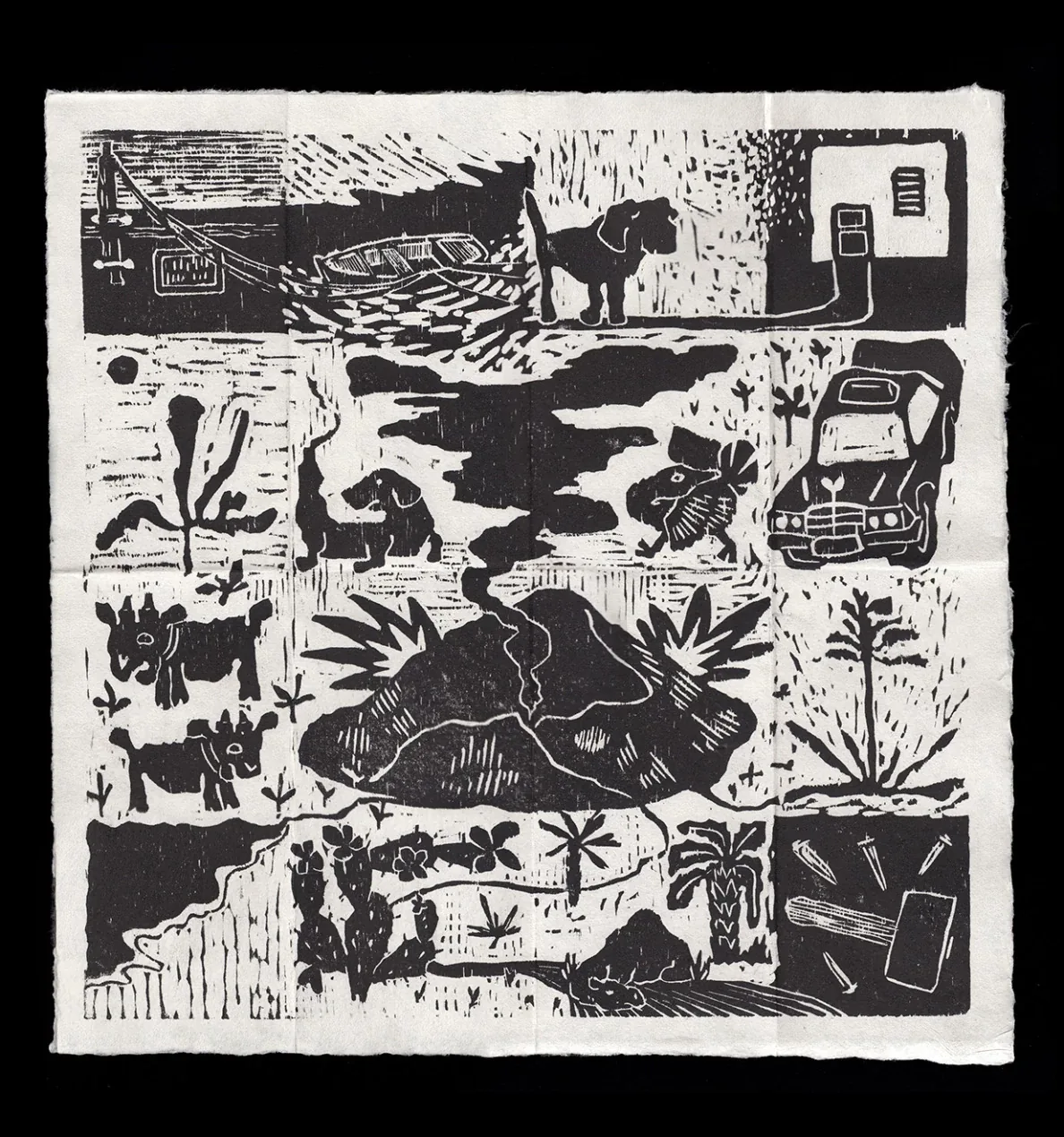
Ico came to the Canary Islands as a small child, trained at the Pancho Lasso Art School and now splits his time between the island and Madrid. His thing is relief printmaking, mostly linocut and woodcut, with animals, landscapes and scenes from Lanzarote that have a nostalgic feel. He co-founded Perifest, an illustration festival on the island, and now and then runs linocut workshops at El Almacén in Arrecife. If you like printmaking, one of his prints is the kind of thing you take home and keep for years.
Tavío · Lanzarote
Instagram: @tavio_artesano
Tavío is a new-generation craftsman and one of the most interesting profiles I’ve come across lately. He hand-prints, piece by piece, motifs taken from the island’s imagery: plants, fruit, everyday objects. I have one of his prickly pear pieces at home and I love it. If you’re looking for something made in Lanzarote that looks nothing like what the souvenir shops sell, start here.
Lana Corujo · Arrecife
Instagram: @lanacorujo
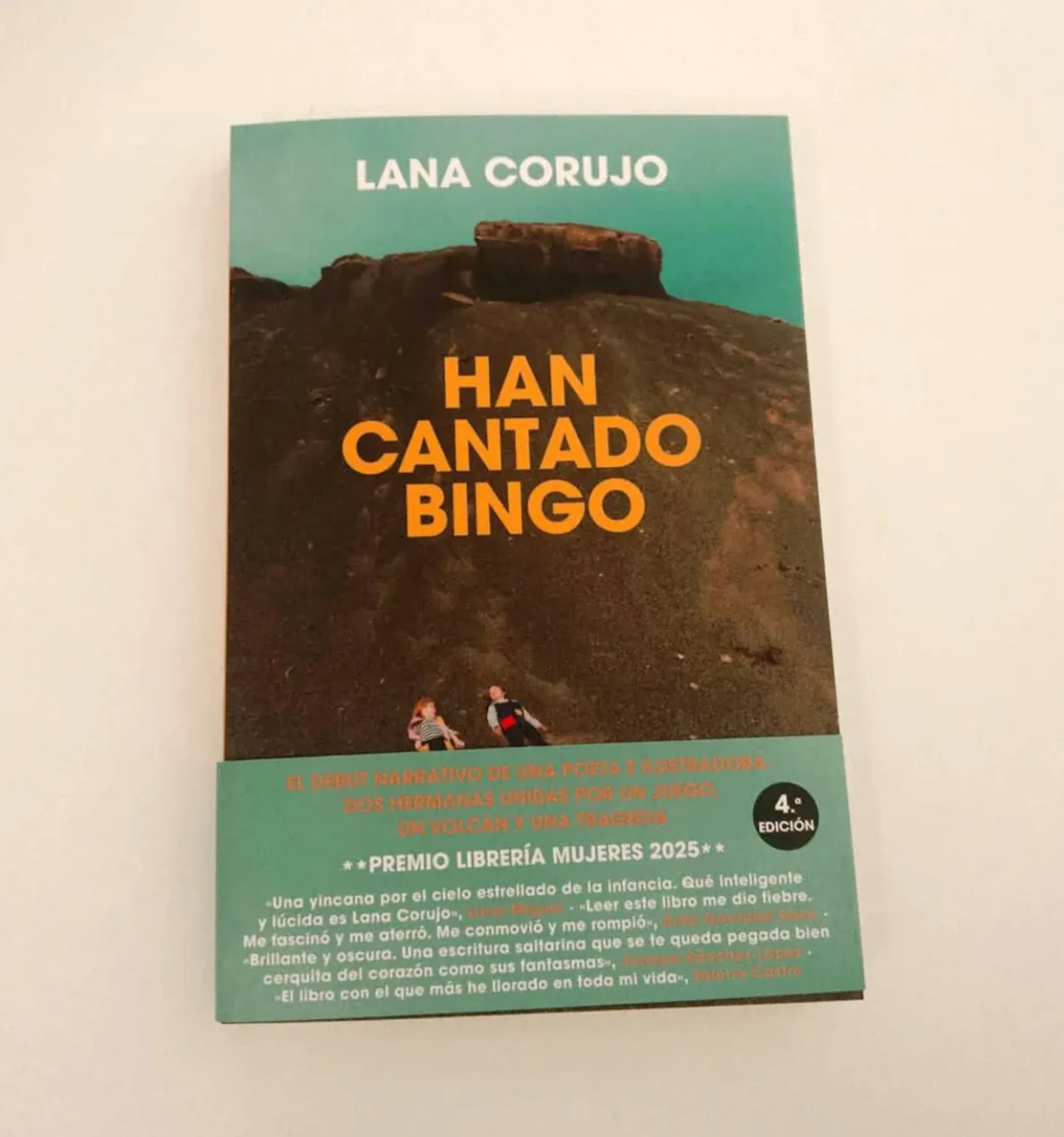
Lana was born in Playa Honda in 1995 and is a writer and illustrator. Her work is about Canarian identity, family, the way people speak here and those small everyday things anyone who grew up on the island recognises straight away. Ropavieja (2021) was selected by the Spanish Ministry of Culture for the Frankfurt Book Fair, and in 2025 she published her first novel, Han cantado bingo. She also directs the Verbena literature festival, held at El Almacén in Arrecife. If you want to understand what people from Lanzarote are like, read her.
Moneiba Lemes · Mácher
Instagram: @moneiba_lemes
Moneiba is a painter born in Mácher who now teaches in the Painting department at the University of La Laguna. Her work deals with memory, intimacy and the tension between the local and the global that you feel so strongly on an island. She has been exhibiting since 2007 in leading spaces across the Canary Islands and beyond. She’s one of those artists worth following to see where she goes next.
Nicolás Laiz · Arrecife
Instagram: @nicolaslaiz
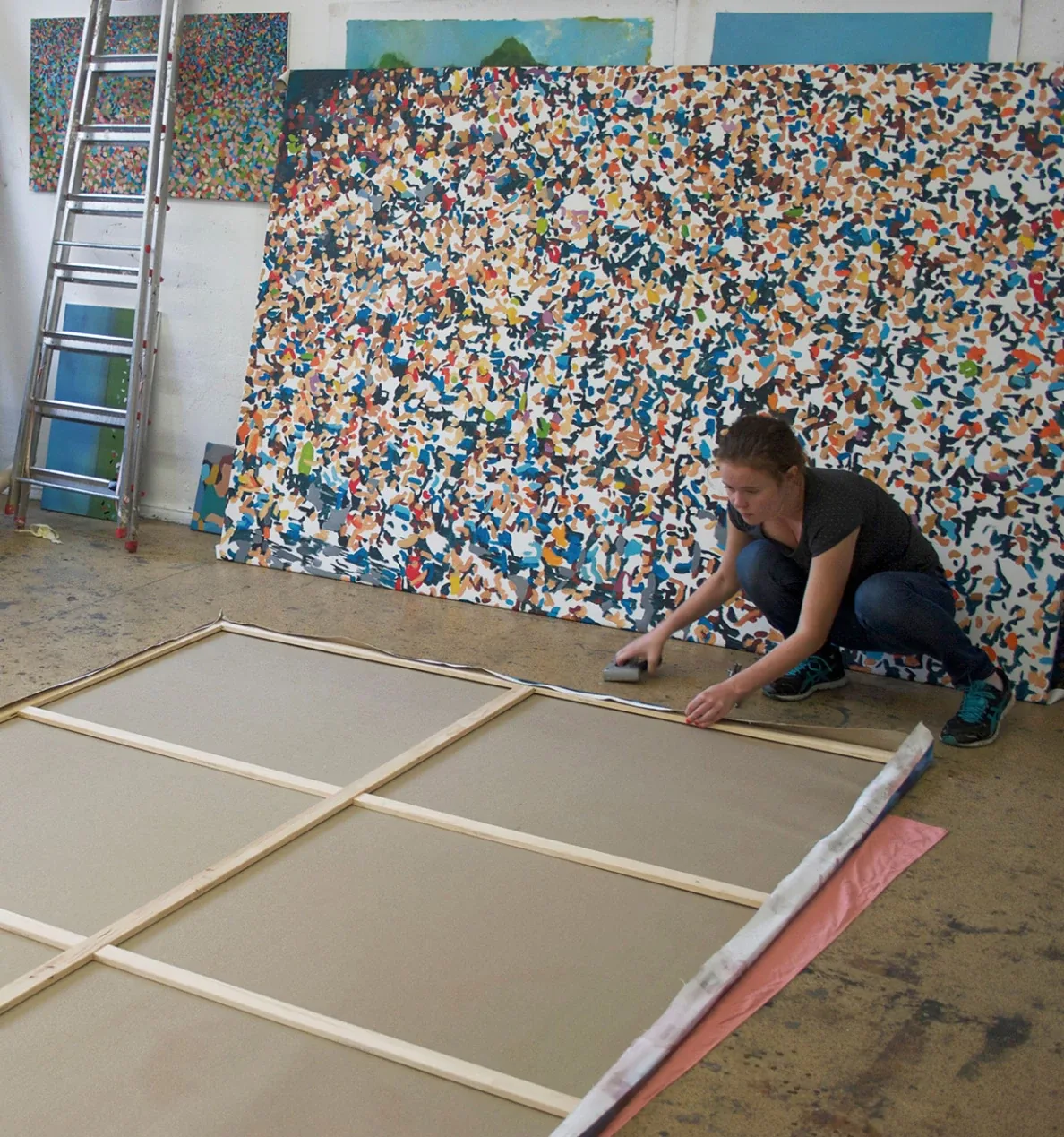
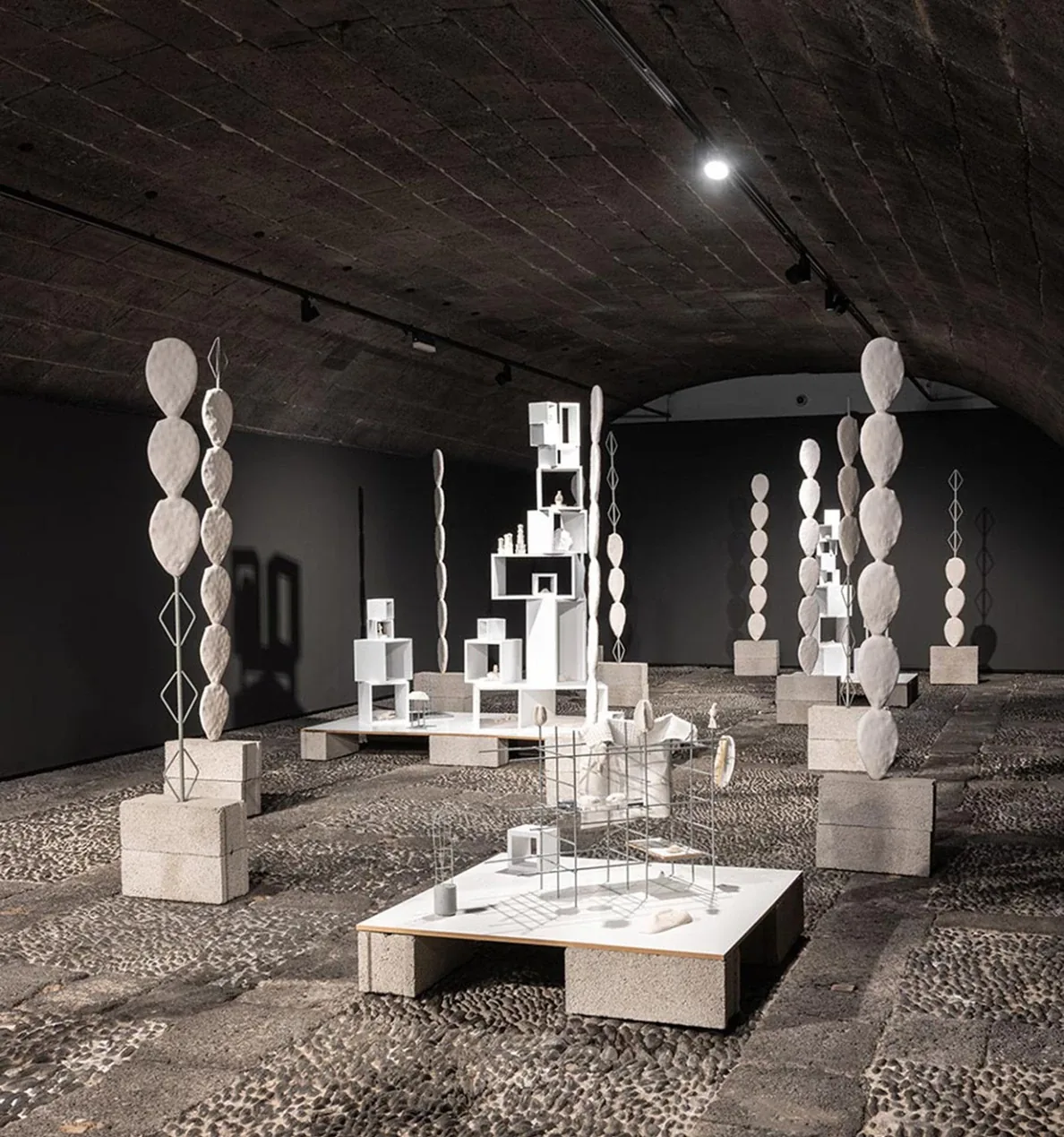
Nicolás is a painter and sculptor from Arrecife who trained at the Complutense in Madrid and at Goldsmiths in London. He works with cement, resin and plastic to talk about landscape, tourism and how we’ve turned nature into a product, something that makes a lot of sense in Lanzarote. In 2023 he presented Obra at the MIAC in Castillo de San José, an installation in dialogue with Manrique’s ideas about architecture and nature. If you want to see the island through a critical eye, start with him.
Néstor Pérez Batista · Arrecife and Berlin
Instagram: @nestorperezbatista
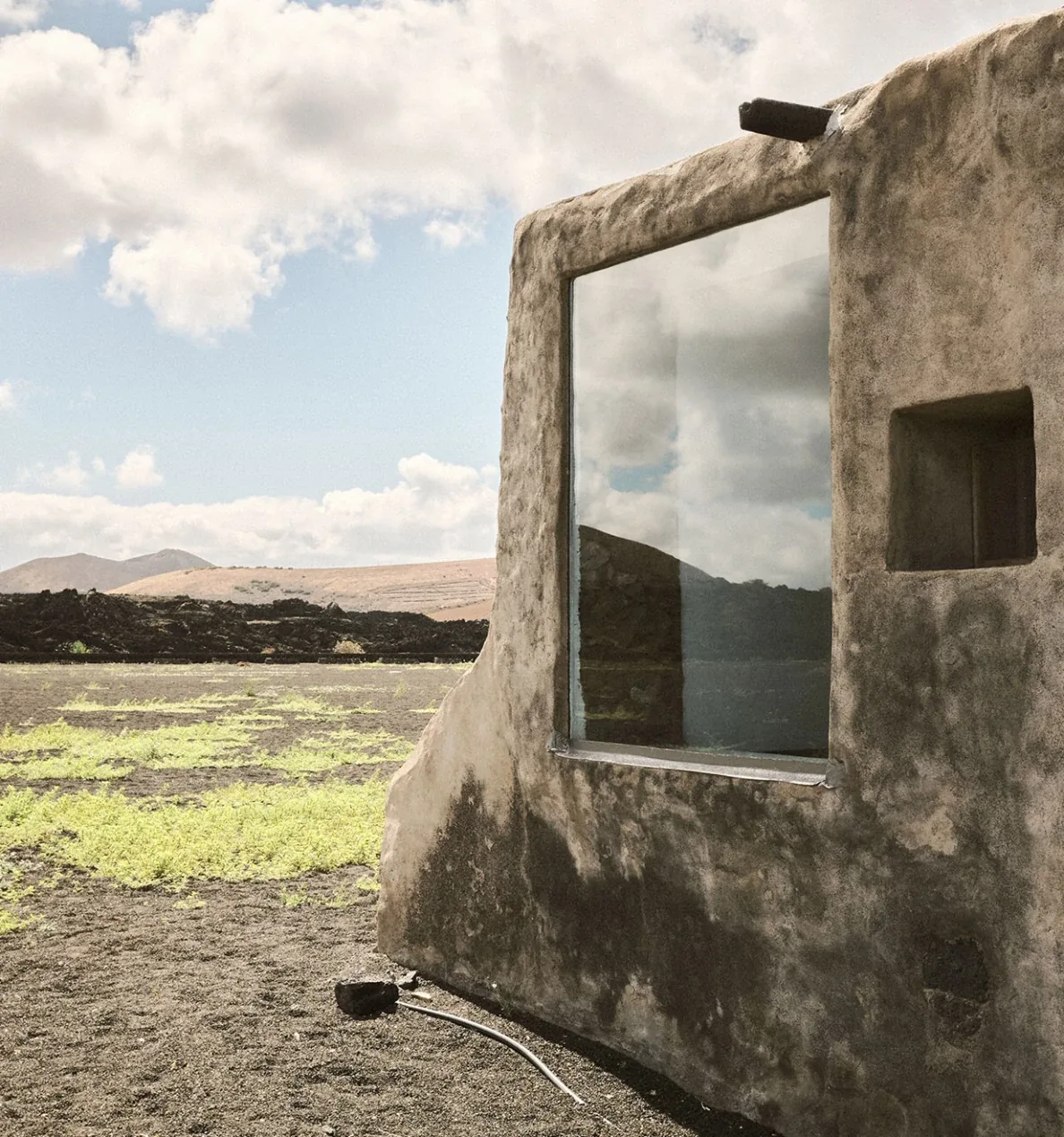
Néstor is an architect born in Arrecife with his own studio in Berlin. Before setting it up he worked with Olafur Eliasson, Renzo Piano and Sauerbruch Hutton, on projects such as the Harpa concert hall in Reykjavík and the Serpentine Pavilion in London. In the Canaries he works with stone, wood, lime and clay, local materials, with great respect for light and landscape. In Lanzarote he designed Buenavista Lanzarote, right in La Geria among vineyards and lava: it was one of the first rural places to stay on the island done with real taste and to a top standard, and it paved the way for many that came after. In Fuerteventura he designed Casa Montelongo, a 19th-century house turned into a place to stay. If you like architecture, keep an eye on his work.
Carmela García · Lanzarote
Instagram: @carmelagarciastudio
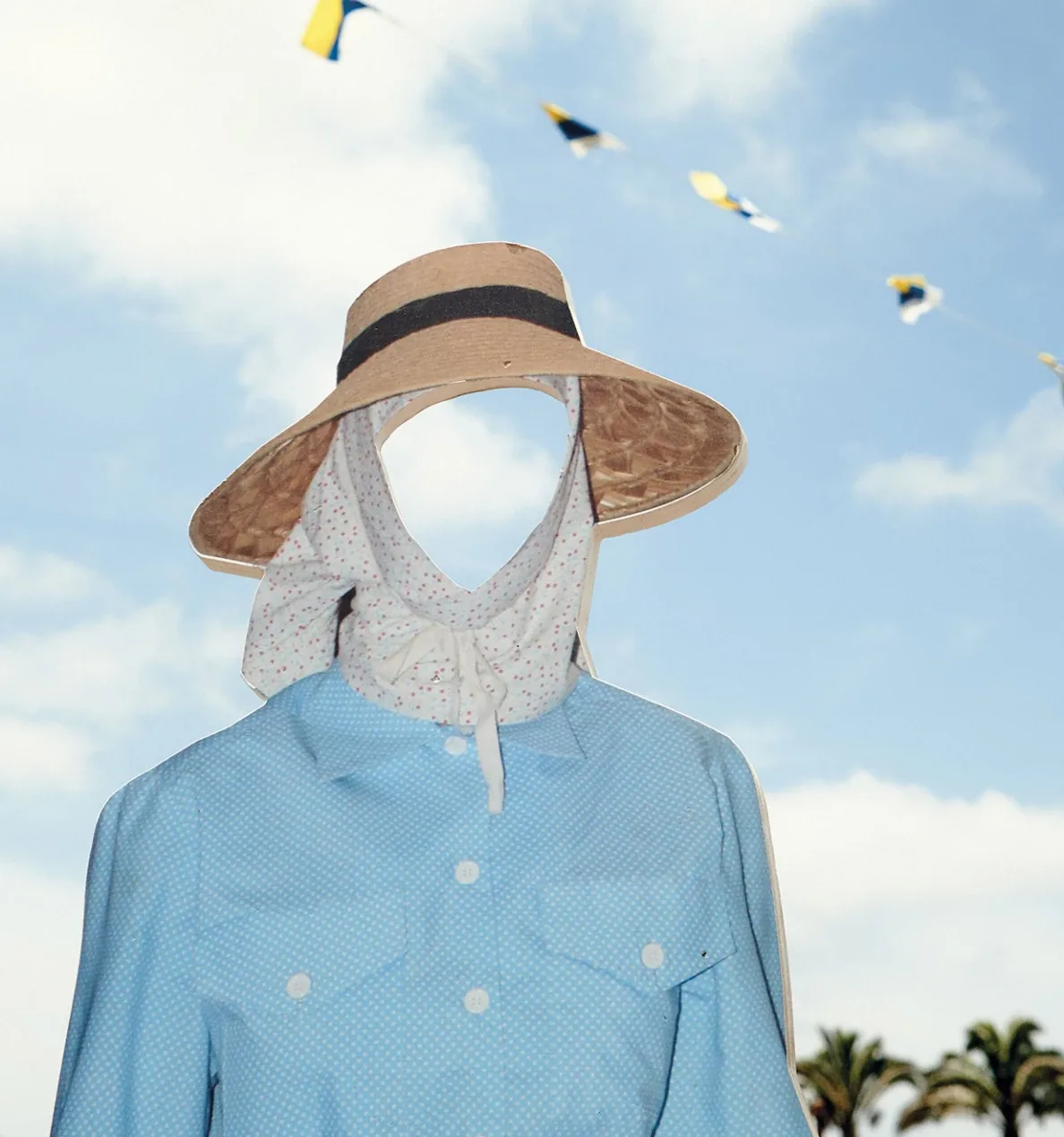
Carmela was born in Lanzarote in 1964 and in 2025 she won Spain’s National Photography Award. Her work mixes photography, video, installation and archive material to recover stories of women that official history has left out, from a feminist and queer perspective. She has exhibited at the Reina Sofía, MUSAC, IVAM and MoMA PS1 in New York, and in 2023 she came back to the island with Cabinet of Dreams, a solo show at the MIAC in Castillo de San José. A photographer from here getting this far is something those of us who live on the island are proud of.
Rubén Acosta · Lanzarote
Instagram: @rubenacosta_
Rubén is a photographer and publisher, and he helped me a lot when I was starting out in photography. He has spent more than twenty years looking closely at the Canary Islands, and through his publishing house, Ediciones Remotas, he has released dozens of books on the islands’ culture, heritage and landscape, all made with real care and very high quality. La costa afortunada, his book on the Canarian coastal villages that sit far from the tourist routes, is to me a historic piece of work for understanding the islands. If you like photography, look for his books in the island’s bookshops. They’re the best way to take the Canaries home on paper.
Ale Acosta · San Bartolomé
Instagram: @aleacostamusic
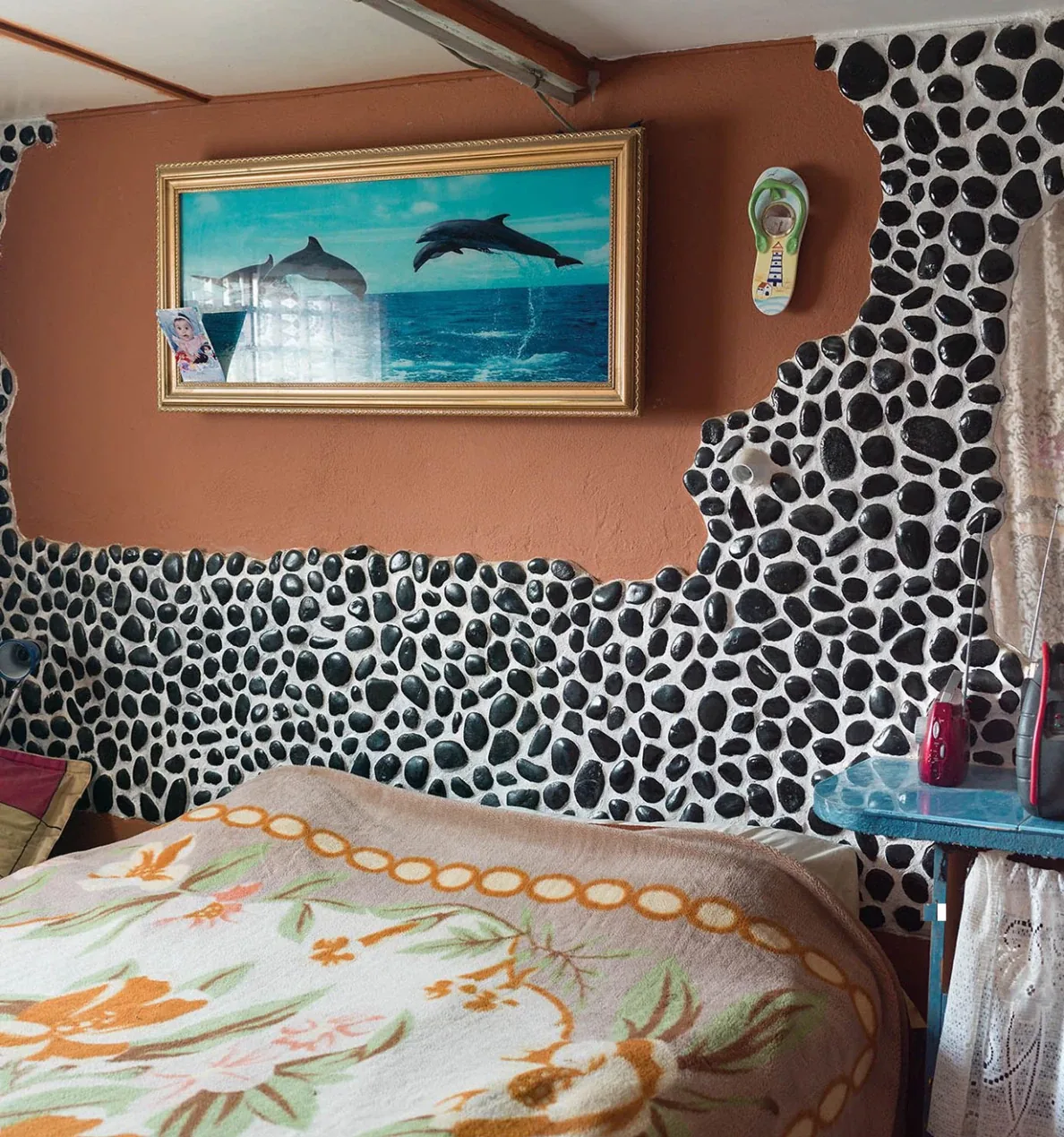
Alejandro Acosta was born in San Bartolomé and spent more than fifteen years as one half of Fuel Fandango. His solo album, El Porvenir, is an electronic record dedicated to Lanzarote that blends traditional sounds with pure electronic music. La Ceniza, with Valeria Castro, earned him a Latin Grammy nomination.
Samuel Aguilar · Arrecife
Web: samuel-aguilar.com
Samuel was born in Arrecife in 1975 and is a pianist and ambient composer. His music is slow and introspective, made for listening with calm. You’ve probably heard him without knowing it: the music playing at Jameos del Agua is his, an album reissued in 2022 for its 25th anniversary with a contribution from Brian Eno. He has also worked with Stephan Micus and Suso Saiz, and composes for film, theatre, dance and opera. He sometimes plays concerts at Cueva de los Verdes, and if one falls during your trip, it’s worth going. If not, his Jameos album is perfect for a sunset at the Garage.
Diego Barber · Lanzarote
Instagram: @diego_barber_music
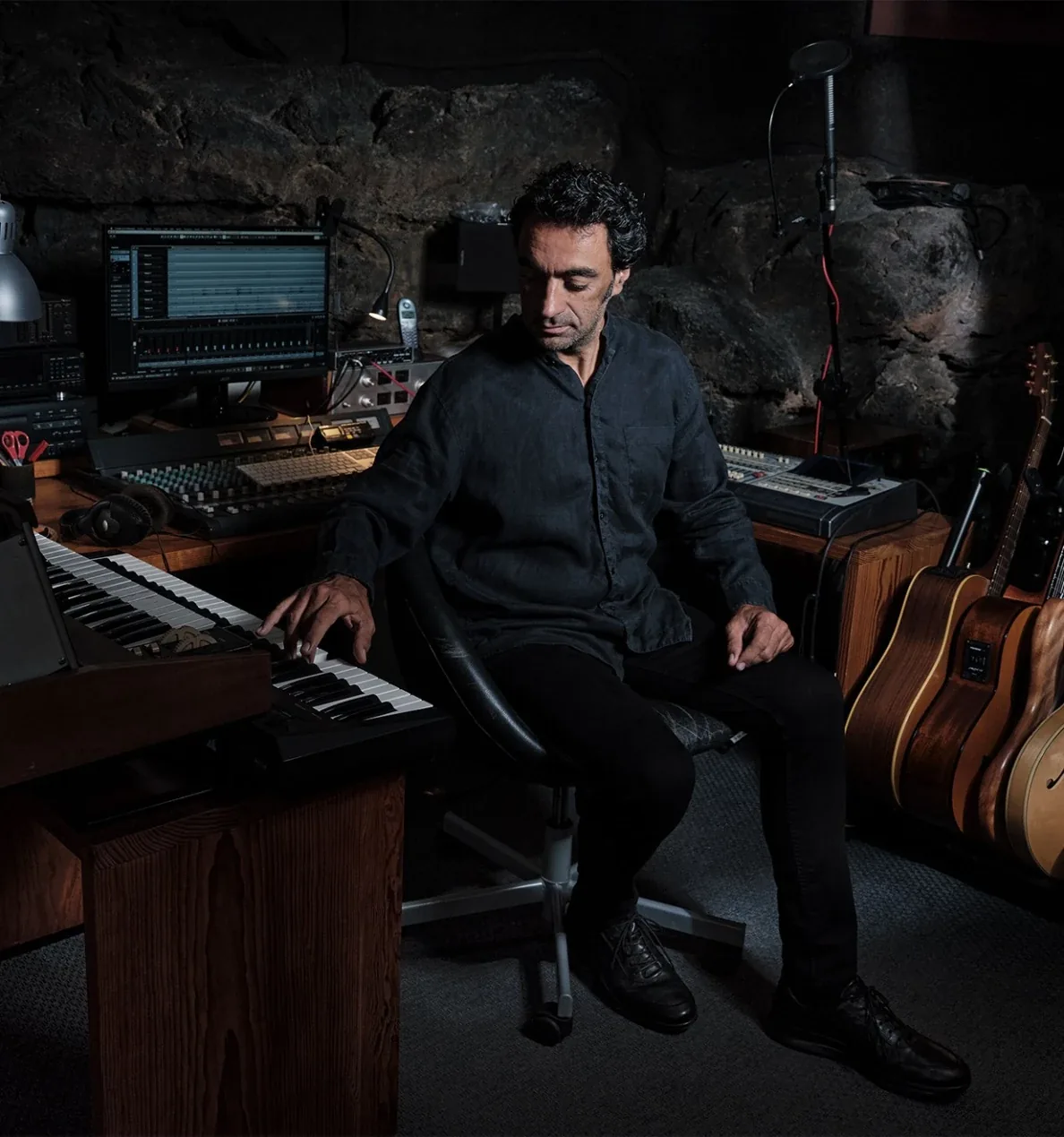
Diego is a classical and jazz guitarist. He started at the Lanzarote Conservatory and ended up recording in New York with people like Mark Turner, Larry Grenadier and Craig Taborn. His album 411, with producer Hugo Ciprés, changed the way I see electronic music: jazz and electronics without one swallowing the other. If you like jazz and don’t know him yet, start there.
Ildefonso Aguilar · Lanzarote
Painter, photographer, video artist and ambient musician, Ildefonso is one of the most respected artists on the island. He has lived in Lanzarote since childhood, saw Manrique’s era up close and has spent decades working with the volcanic landscape, the wind and the sea. In 1989 he founded the Lanzarote Visual Music Festival, which has brought artists like Brian Eno to the island and still takes place every autumn at Jameos del Agua and Cueva de los Verdes. Listen to Erosión, his 1978 album recorded with sounds from the island itself. It’s Lanzarote turned into music.
One last tip
If you’re going to visit a studio, message ahead and don’t rush: these are workspaces, not shops, and the people behind them are usually happy to tell you about what they do. Buying a piece directly from the person who made it is one of the best ways to take the island home with you. And if you can’t buy, following them, sharing their work and recommending them helps a lot too. Manrique taught us to see the island with new eyes. Now it’s time to look at the people who keep creating here.