
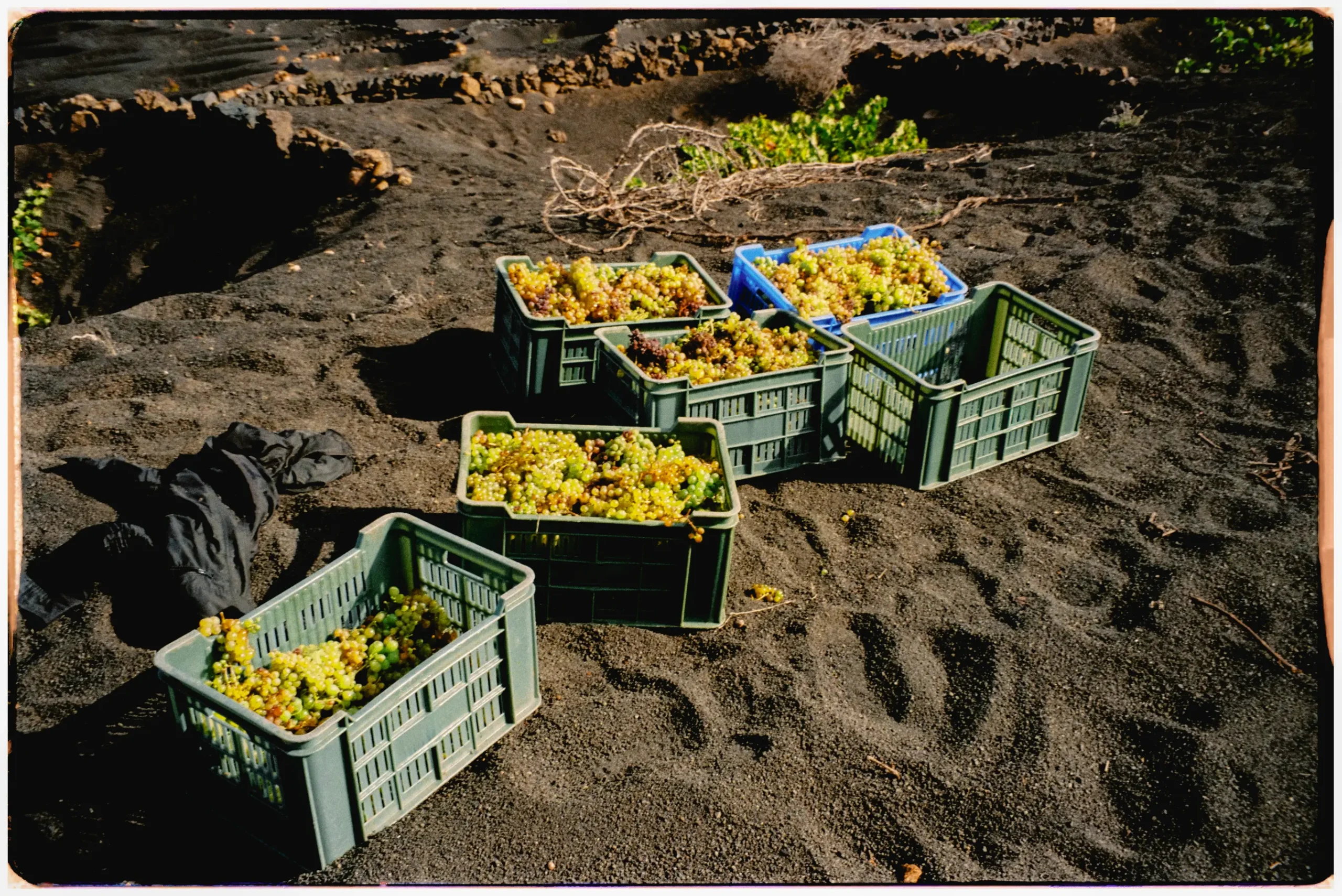
One of the things I enjoy most when I’m back in Lanzarote is visiting small wineries and talking to the people behind them.
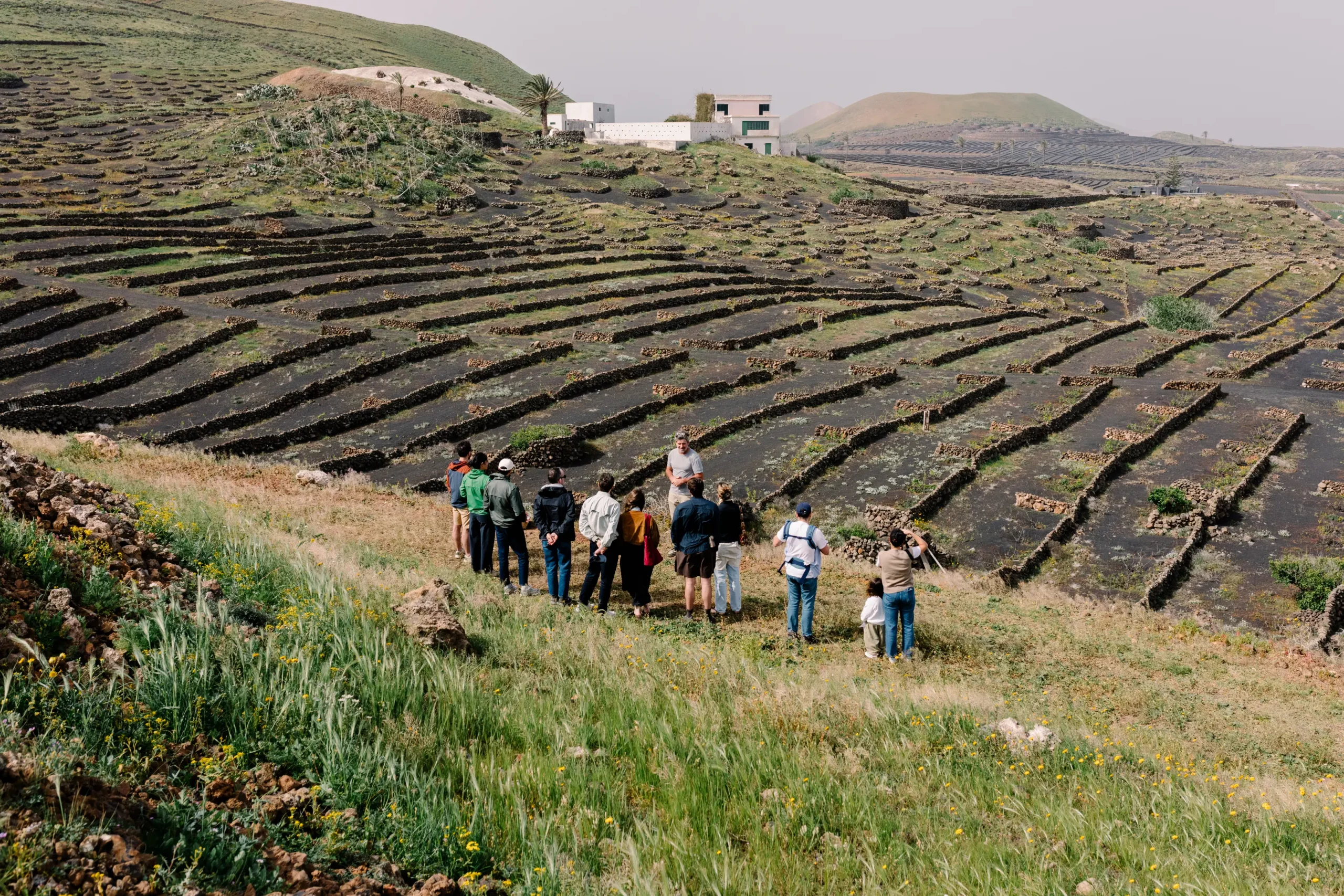
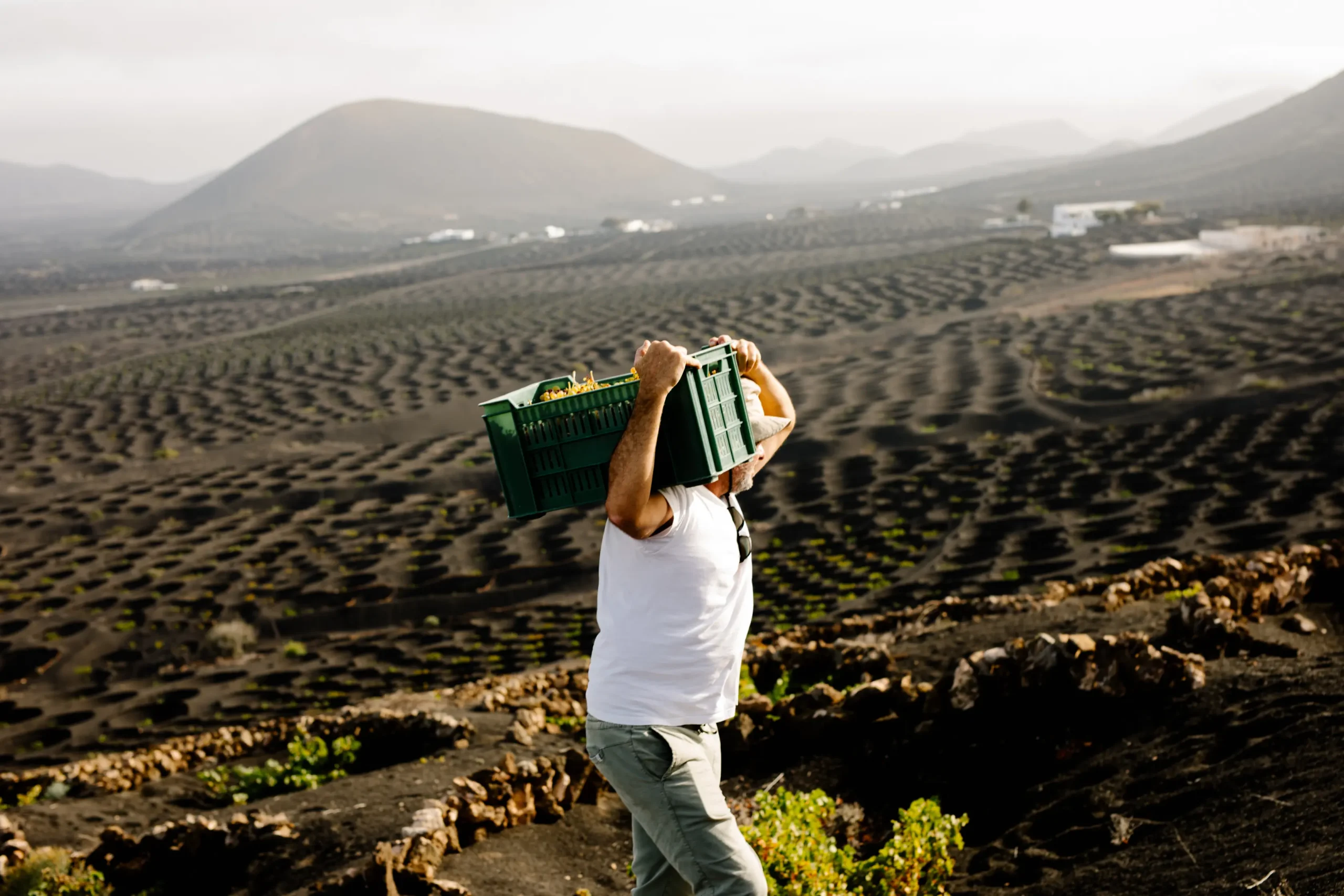
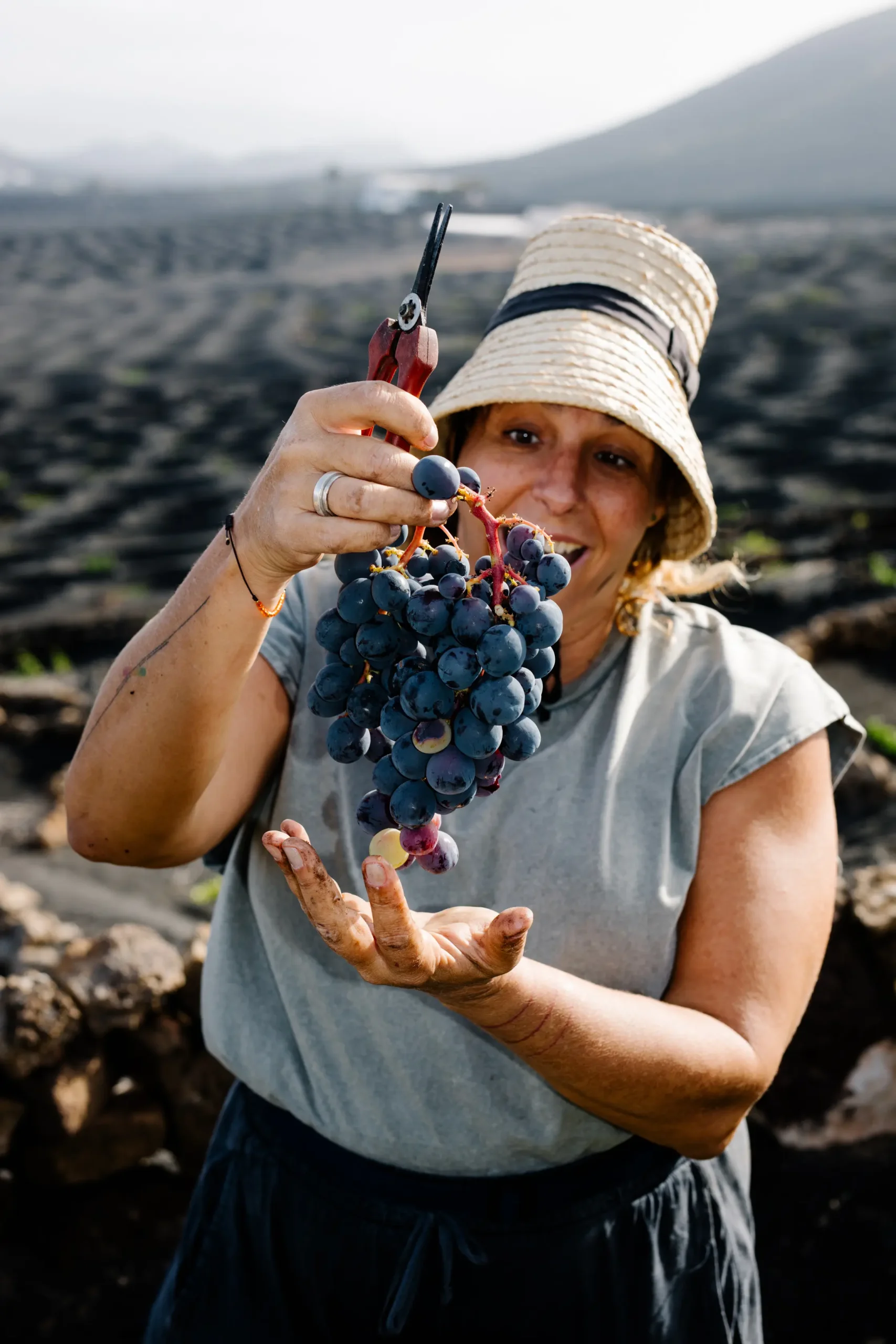
Winegrowing here is unlike anywhere else in the world. Growing vines in volcanic ash, with strong winds and very little water, takes an amount of work that’s hard to imagine until you see it for yourself. Every bottle is the result of many hours of effort and a way of working with the land that has been passed down through generations.
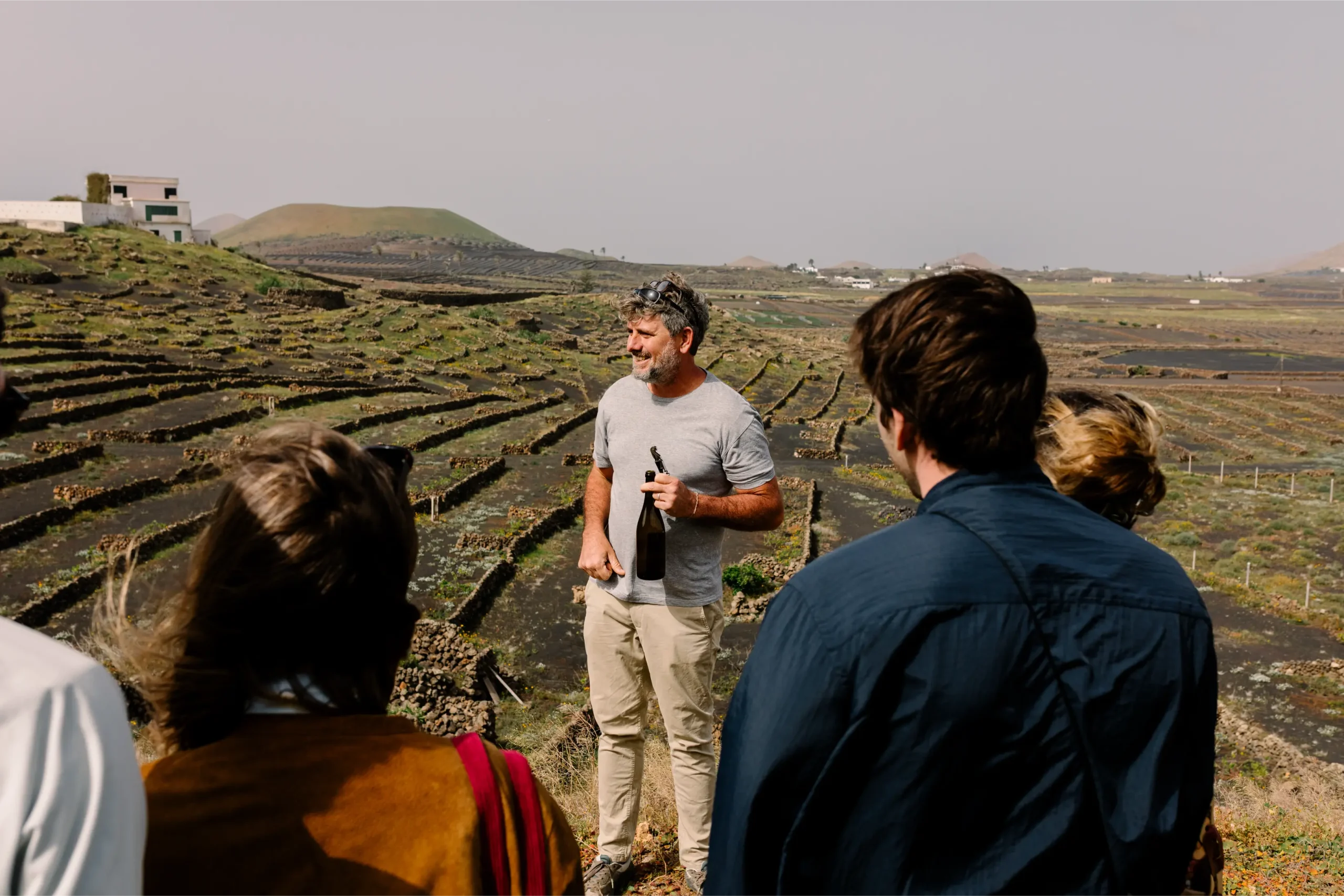
I always try to recommend small, family-run projects—wineries where you can still talk to the person making the wine, walk among the vines and understand what makes Lanzarote’s wines so special.
These are some of my favourites to visit.
Bodega Cohombrillo
Instagram: @bodegacohombrillo
Cohombrillo is one of the projects that best represents the new generation of winemaking in Lanzarote. It’s run by Laura and Eamonn, who make natural wines on a very small scale using only grapes from their own organically farmed vineyards.
I particularly like their approach because every part of the process involves as little intervention as possible, allowing the volcanic landscape to speak through the wine. If you get the chance to visit, take the time to talk with them and hear about the passion behind the project.
Bodega Tisalaya
Instagram: @bodegastisalaya
Tisalaya is Miguel Morales’s personal project and one of the family-run wineries I most often recommend visiting. Its vineyards lie between Timanfaya National Park and Los Volcanes Natural Park, on plots that are more than sixty years old. Some of its Diego vines are over a century old.
Everything is done by hand and only a small number of wines are made. The focus is always on wines with character that can age well and express Tinajo’s volcanic landscape.
When you visit the winery, you quickly understand that wine here is made slowly and with a great deal of respect for tradition.
Titerok Akaet
Instagram: @titerok_akaet
Titerok Akaet is one of Lanzarote’s most interesting projects if you enjoy low-intervention wines. Its name comes from the island’s ancient Indigenous name, and the whole project is built around bringing abandoned historic vineyards back to life.
They work with regenerative farming, spontaneous fermentation and minimal intervention in the winery, allowing each plot to keep its own identity. More than simply making wine, they’re recovering part of the island’s agricultural heritage and showing that there’s another way of doing things.
Bodega La Verea
Instagram: @bodega_laverea
La Verea is one of the projects that has caught my attention most in recent years. Sergio Cabrera works exclusively with local varieties such as Malvasía Volcánica, Listán Blanco, Listán Negro, Diego and Moscatel, grown sustainably in vineyards that are more than seventy years old.
The wines ferment using native yeasts. Some of them, such as Tabaiba, are aged using a combination of concrete egg, used oak barrels and stainless steel. The result brings out the salinity and minerality of Lanzarote’s volcanic soils with real precision.
Production is very limited, and every bottle shows a deep respect for the landscape and the island’s traditional grape varieties.
Bodega David Fernández
Instagram: @bodegadavidfernandez
David Fernández is part of a new generation of winegrowers taking a very personal approach to Lanzarote wine. He started the project in 2020 with just five hundred bottles and now works to recover small, century-old plots across different parts of the island.
Each vineyard is vinified separately, using spontaneous fermentation and minimal intervention, so every wine reflects the place it comes from.
What I especially like is that his wines speak more about the landscape than the technique. They’re distinctly Atlantic wines—fresh, saline and full of tension, with a personality that really reflects Lanzarote’s volcanic character.
One last tip
If you decide to visit a winery during your stay, give yourself plenty of time. Walk through the vineyards, ask questions, listen and talk to the people who make the wine. It’s the best way to understand the huge amount of work involved in growing vines in a landscape like Lanzarote.
Whenever you can, buy directly from the winery. You’ll take home a unique bottle while supporting the small, family-run projects keeping one of the island’s most important traditions alive.
Whenever possible, buy directly from the winery itself. Not only will you take home a unique bottle, but you will also be supporting small family-run projects that keep one of the island’s most important traditions alive.