
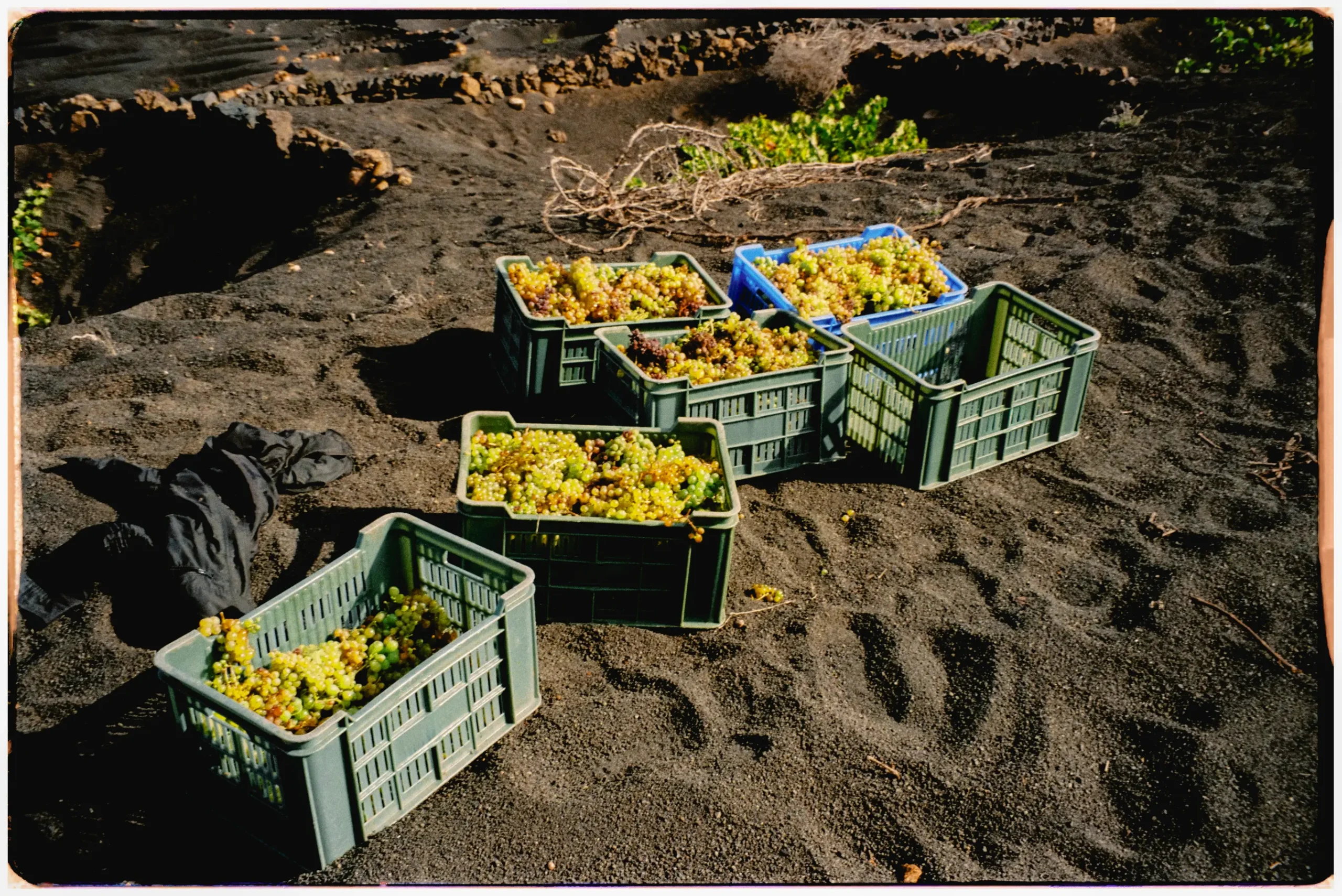
Una de las cosas que más disfruto cuando vuelvo a Lanzarote es visitar pequeñas bodegas y hablar con las personas que están detrás de cada proyecto.
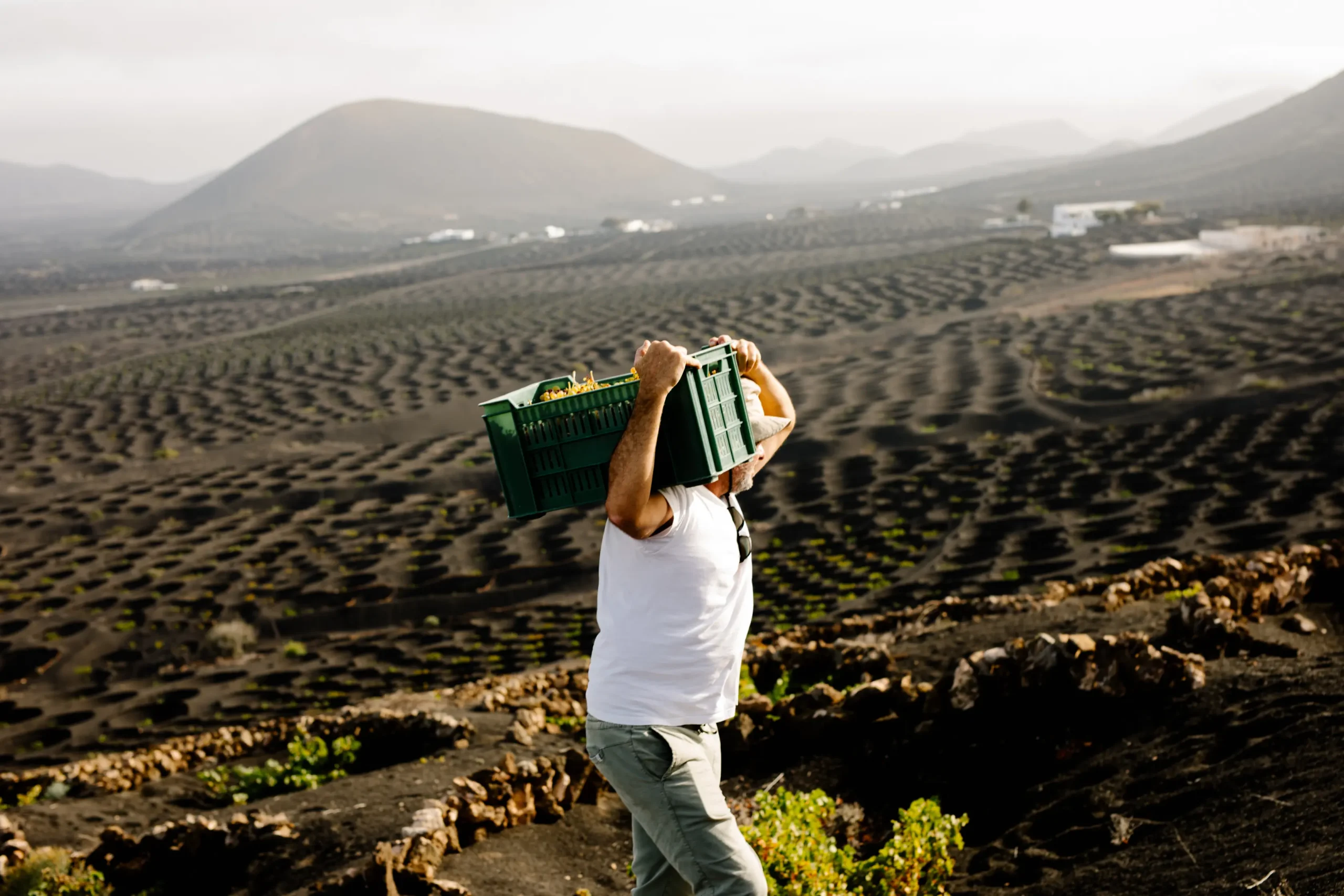
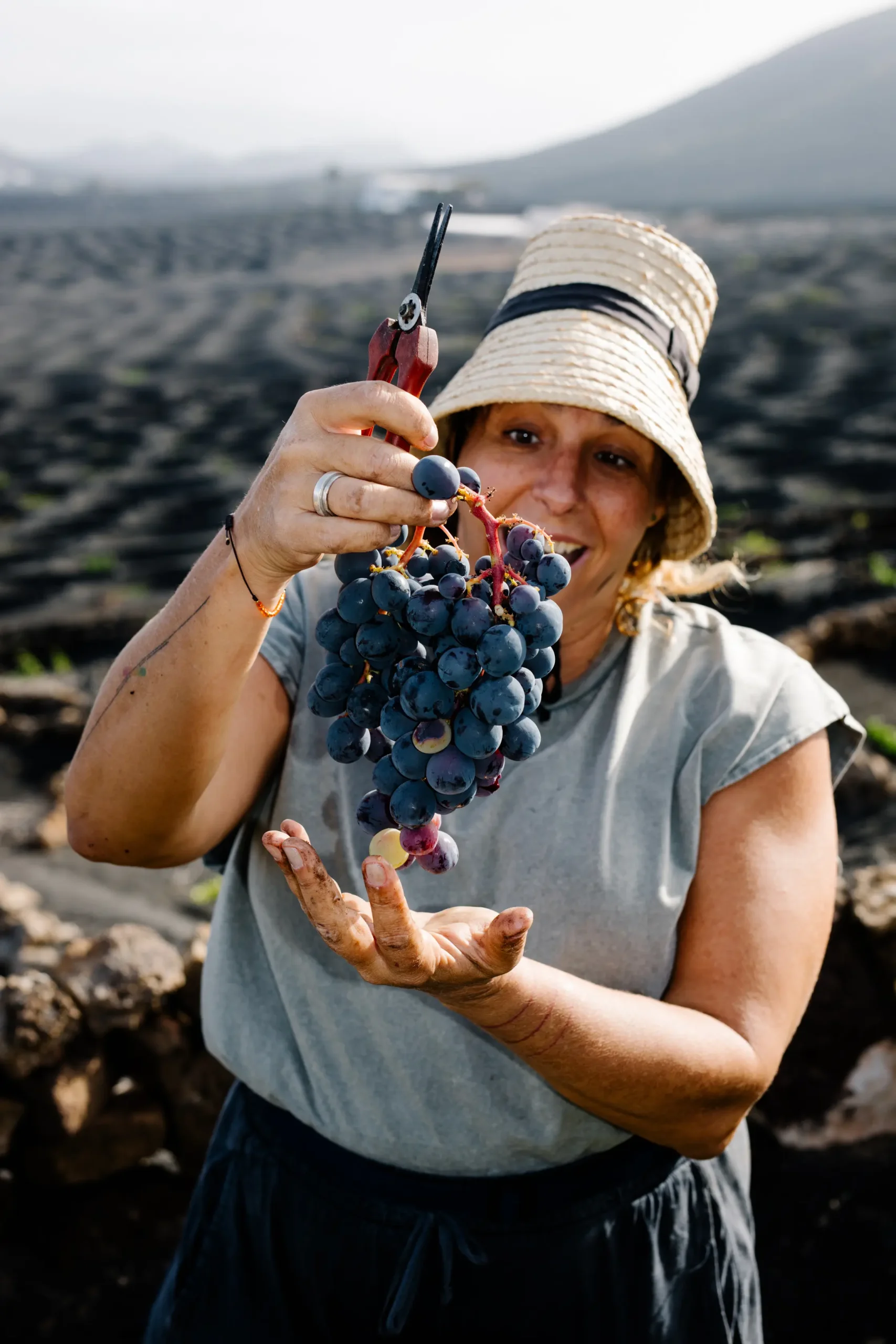
La viticultura en esta isla no se parece a ningún otro lugar del mundo. Cultivar viñas sobre ceniza volcánica, soportando el viento y la escasez de agua, exige una cantidad de trabajo difícil de imaginar hasta que lo ves con tus propios ojos. Cada botella es el resultado de muchas horas de esfuerzo y de una forma de entender el territorio que se ha mantenido durante generaciones.
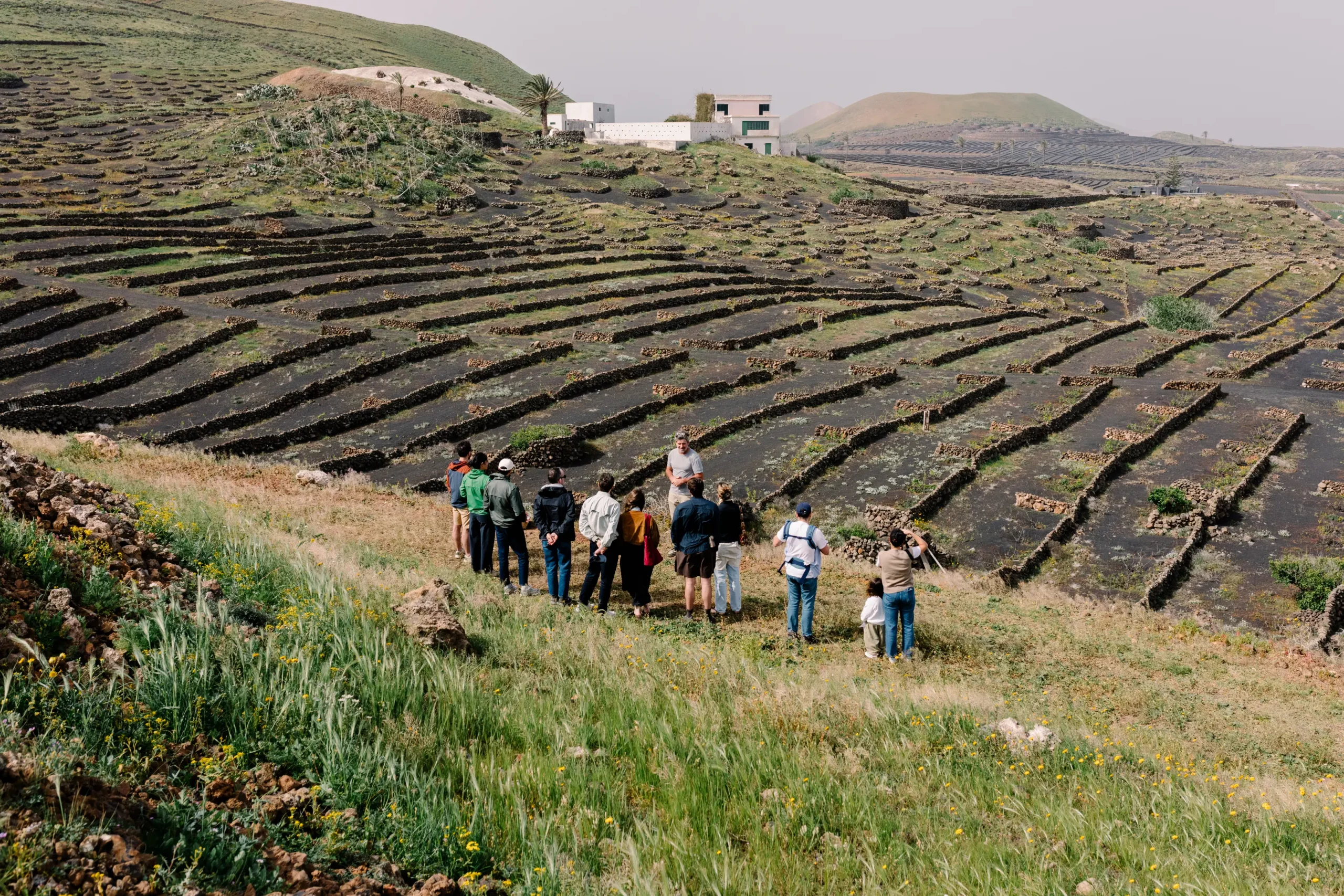
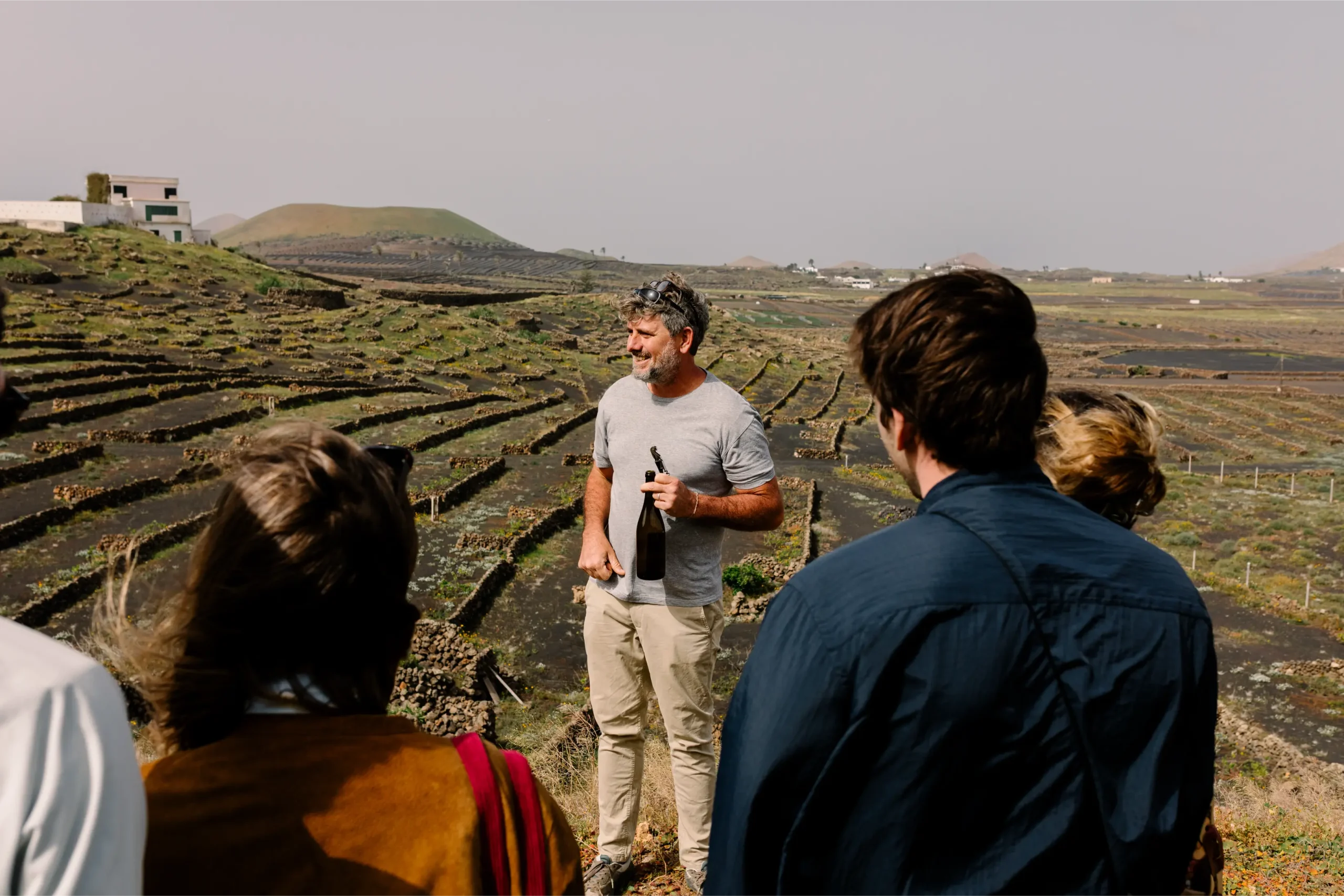
Siempre intento recomendar proyectos pequeños y familiares, bodegas donde todavía es posible hablar con quien hace el vino, pasear entre las viñas y entender por qué los vinos de Lanzarote son tan especiales.
Estas son algunas de las que más me gusta visitar.
Bodega Cohombrillo
Instagram: @bodegacohombrillo
Cohombrillo es uno de esos proyectos que mejor representan la nueva generación del vino en Lanzarote. Detrás están Laura y Eamonn, que elaboran vinos naturales a muy pequeña escala trabajando únicamente con viñedos propios cultivados de forma ecológica. Me gusta especialmente porque todo el proceso está pensado para intervenir lo mínimo posible y dejar que sea el propio paisaje volcánico quien hable a través del vino. Si tienes la oportunidad de visitarla, merece mucho la pena conversar con ellos y entender la pasión con la que han construido este proyecto.
Bodega Tisalaya
Instagram: @bodegastisalaya
Tisalaya es el proyecto personal de Miguel Morales y una de las bodegas familiares que más recomiendo visitar. Sus viñas se encuentran entre el Parque Nacional de Timanfaya y el Parque Natural de Los Volcanes, sobre parcelas con más de sesenta años y algunas cepas centenarias de la variedad Diego. Todo el trabajo se realiza de forma manual y elaboran muy pocas referencias, siempre buscando vinos de guarda, con personalidad y capaces de expresar el paisaje volcánico de Tinajo. Cuando visitas la bodega entiendes rápidamente que aquí el vino se hace sin prisas y con muchísimo respeto por la tradición.
Titerok Akaet
Instagram: @titerok_akaet
Titerok Akaet es uno de los proyectos más interesantes de Lanzarote si te gustan los vinos de mínima intervención. Su nombre hace referencia al antiguo nombre aborigen de la isla y toda su filosofía gira alrededor de la recuperación de viñedos históricos abandonados. Trabajan con agricultura regenerativa, fermentaciones espontáneas y una intervención mínima en bodega para que cada parcela conserve su identidad. Más que elaborar vino, buscan recuperar patrimonio agrícola y demostrar que otra forma de hacer las cosas es posible.
Bodega La Verea
Instagram: @bodega_laverea
La Verea es uno de los proyectos que más ha llamado mi atención en los últimos años. Sergio Cabrera trabaja exclusivamente con variedades locales como Malvasía Volcánica, Listán Blanco, Listán Negro, Diego o Moscatel, procedentes de viñedos de más de setenta años cultivados mediante agricultura sostenible. Sus vinos fermentan con levaduras autóctonas y algunas referencias, como Tabaiba, combinan la crianza en huevo de hormigón, barrica usada y acero inoxidable para expresar con mucha precisión la salinidad y la mineralidad de los suelos volcánicos de Lanzarote. Son producciones muy limitadas y cada botella transmite un enorme respeto por el paisaje y por las variedades tradicionales de la isla.
Bodega David Fernández
Instagram: @bodegadavidfernandez
David Fernández forma parte de una nueva generación de viticultores que está reinterpretando el vino de Lanzarote desde una mirada muy personal. Comenzó su proyecto en 2020 elaborando apenas quinientas botellas y hoy trabaja recuperando pequeñas parcelas centenarias repartidas por diferentes zonas de la isla. Cada finca se vinifica por separado, con fermentaciones espontáneas y una intervención mínima, buscando que cada vino refleje el carácter del lugar del que procede. Me gusta especialmente porque sus vinos hablan de paisaje antes que de técnica. Son vinos muy atlánticos, con mucha tensión, salinidad y una personalidad que refleja perfectamente el carácter volcánico de Lanzarote.
Un último consejo
Si decides visitar alguna bodega durante tu estancia, intenta hacerlo con tiempo. Pasea entre las viñas, pregunta, escucha y habla con las personas que elaboran el vino. Es la mejor forma de entender el enorme esfuerzo que supone cultivar en un paisaje como el de Lanzarote.
Siempre que puedas, compra directamente en la propia bodega. Además de llevarte una botella única, estarás apoyando a pequeños proyectos familiares que mantienen viva una de las tradiciones más importantes de la isla.